




Food Sensitivity Test with Interpretation
A comprehensive food sensitivity assessment that evaluates your responses to foods and incorporates your dietary habits to provide a clear, practical overview of how they may affect your everyday wellbeing.
- 220 food products tested (IgG)
- Results interpretation
- Personalized recommendations
- Convenient at-home blood collection (finger-prick sample)
Very convenient that the test can be done in selected partner clinics. The food intolerance test results are thorough and clear. Not only the products but also the symptoms are reviewed. Recommendations are also provided. I am very happy that I did this test. Now I will be able to precisely change my habits and improve my well-being. Thank you!
How it works
Order online
Receive your test kit delivered to your door.
Fill a questionnaire
Provide information about your goals and symptoms.
Collect your sample
Just a small finger prick (20 µl of blood) — easy, quick, and painless.
Get your results
Within 5–10 days, receive a clear report with personalized insights and recommendations.


Who this test is for
This test is for you if you:


If you've been searching for answers to unexplained symptoms, this test can help you reconnect the dots.
WHAT WE TEST
What we test
Our advanced testing analyzes your body's immune responses to foods and allergens - giving you the clarity you need to feel better every day.
Berries and fruits
37
Apple

Apricot

Banana

Blackberry

Blueberry

Cape gooseberry

Carambole

Cherry

Coconut

Date

Fig

Grapefruit

Grape

Guava

Honeydew melon

Juniper berry

Kiwi

Lemon

Lime

Lingonberry

Litchi

Mandarine

Mango

Orange

Papaya

Passion fruit

Peach

Pear

Pineapple

Plum

Raspberry

Raisins

Sea buckthorn juice

Shaddock

Strawberry

Sugar melon

Watermelon
Dairy products
13
Blue cheese

Buttermilk

Caseine

Cheddar cheese

Gouda cheese

Curd cheese

Goat milk and cheese

Kefir

Milk protein

Milk unboiled

Mozzarella

Sheep milk and cheese

Soft cheese
Grains and legumes
28
Adzuki bean (red bean)

Amaranth

Barley

Black-eyed pea

Broad bean

Buckwheat

Chickpeas

Durum wheat

Flax (linseed)

Grass pea

Green bean

Green pea

Kamut

Lentil

Maize (sweet corn)

Malt

Millet

Mung bean (green gram)
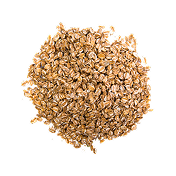
Oats

Quinoa (goosefoot)

Red kidney bean

Rice

Rye

Sesame

Soya bean

Spelt

Wheat

White bean
Meat, seafood and fish
39
Anchovy

Beef

Blue mussels

Boar (wild)

Carp

Catfish

Chicken meat

Clam

Cod

Crayfish

Deer

Duck

Eel

Elk meat

Goose

Halibut

Herring

Lamb

Lobster

Mackerel

Mutton

Octopus

Oysters

Perch

Plaice

Pollock

Pork

Rabbit

Salmon

Sardine

Scallop

Sea bass

Shrimp (prawn)

Sole

Squid

Trout (rainbow trout)

Tunafish

Turkey meat

Veal
Nuts, seeds and spices
40
Allspice

Almond

Aniseed

Bay leaf

Brazil nut

Cannabis

Caraway

Cardamom

Cashew kernels

Chicory

Cinnamon

Clove

Coriander

Curry

Cayenne pepper

Dill

Garlic

Ginger

Hazelnut

Hot paprika (spice)

Lemon balm

Macadamia nut

Mustard seed

Oregano

Parsley

Peanut

Pepper (black)

Pepper (green)

Peppermint

Pine nut

Pistachio

Poppy seeds

Rape seed

Rosemary

Sunflower seed

Sweet basil

Sweet chestnut

Thyme

Vanilla

Walnut
Vegetables and mushrooms
40
Aloe vera

Artichoke

Asparagus

Avocado

Bay boletus

Beet root

Broccoli

Brussels sprouts

Button mushroom

Cabbage (red)

Carrots

Cauliflower

Celeriac (knob)

Chard (beet greens)

Chinese cabbage

Cucumber

Eggplant

Endive

Iceberg lettuce

Kale (curled kale)

Kohlrabi (turnip cabbage)

Lambs lettuce (corn salad)

Leek

Lettuce

Onion

Oyster mushroom

Potato

Pumpkin

Radish (red and white)

Roquette

Savoy cabbage

Shitake mushroom

Spinach

Sugar beet

Sweet pepper

Sweet potato

Tomato

Topinambur

Vine leaves

Zucchini
Other
23
Cacao

Cane sugar

Capers

Chicken egg white

Chicken yolk

Cocos milk

Coffee

Dandelion

Duck egg

Gelatine

Gluten

Grapevine snail

Hen egg

Hops

Maple syrup

Nettle

Olive (black)

Olive (green)

Pectin

Soy milk

Tea (black)

Tofu

Yeast (beer, bread)
What will I learn?
Learn more about your symptoms and what might be influencing them.
You'll see which food sensitivities and dietary issues were detected, how they relate to the symptoms you reported, and what everyday habits could be contributing to them.

Find out which foods could be triggering your reactions.
We'll highlight the products most likely linked to your symptoms and suggest where to start with elimination experiments—so you can make changes confidently, without guesswork.

Discover which dietary changes could make the biggest difference.
Clear, personalized recommendations will show what to adjust first, why it matters, and which symptoms those changes could help improve.

Understand your complete food sensitivity profile.
You'll get a full list of all foods tested in the lab, showing your unique reactivity pattern and helping you interpret your results more easily.


94.7%
Found hidden triggers
With testing for up to 220 possible food intolerances (IgG), you'll gain clear insights, along with a dietary habit evaluation to help you make smarter choices for your health.
Featured in Leading Publications


Over 32,000 happy users
Real stories, real results
Join thousands who reconnected with their bodies through self.co — uncovering hidden triggers and finding a clear path to feeling whole again.
The whole process was so simple. I did the test at home, sent it off, and got comprehensive results with clear explanations. The recommendations were practical and easy to follow.
I was skeptical at first, but the detailed analysis of my food intolerances has been life-changing. My digestive issues have improved significantly since following the personalized recommendations.
Finally a test that gives real answers! The molecular testing identified specific triggers that other tests missed. The support team was also incredibly helpful in explaining my results.
The bundle test was worth every cent. Understanding both my allergies and food intolerances gave me a complete picture of what was causing my symptoms. Highly recommend!
Professional service from start to finish. The results came quickly and the report was thorough. I appreciate how the findings were connected to my specific symptoms.
The whole process was so simple. I did the test at home, sent it off, and got comprehensive results with clear explanations. The recommendations were practical and easy to follow.
IgG antibodies are part of your immune system's memory response. When certain foods are repeatedly consumed, your body may produce higher levels of IgG antibodies as a reaction. Elevated IgG levels can indicate a sensitivity that contributes to delayed symptoms such as bloating, fatigue, or headaches. The test measures these levels to help you understand which foods might be affecting your wellbeing.
Your results indicate which foods may be triggering delayed immune reactions. The best next step is to follow an elimination diet — temporarily removing the foods that showed higher IgG reactivity.
Typically, these foods are avoided for 6–8 weeks to allow your immune system and digestive tract to reset. After this period, each food is reintroduced one at a time, while observing for any returning symptoms such as bloating, fatigue, or skin issues.
Your report includes a detailed guide to help you structure this process safely and effectively.
We generally recommend retesting every 9 to 12 months, or sooner if you make significant dietary or lifestyle changes. This helps track how your immune system adapts and whether sensitivities have improved after dietary adjustments.
Yes, you can — but keep in mind that the test only measures reactions to foods you currently eat. If certain foods (like gluten or dairy) have been completely excluded from your diet for several weeks, your IgG levels to those foods may be low or undetectable. For the most accurate results, it's best to include most foods in your diet for a short period before testing, if possible.

- Choosing a selection results in a full page refresh.
- Opens in a new window.